
Social Events
Organizers have ensured arranging delightful and captivating activities for all Conference participants, aimed at creating a wholesome experience in both participating in the Conference and enjoying the beautiful city of Naples.
The full Social Agenda experience will be included in the attendees’ registration fee!
23 June 2026 – University of Naples Federico II
Corso Umberto I, 40 - 80138 Napoli
19:00 – Pickup by bus and transfer at Gala Dinner
Visit to the Museums of the University of Naples Federico II: Paleontology, Mineralogy, and Zoology – 23 June 2026 - 17:30
Corso Umberto I, 40 – Napoli
Included
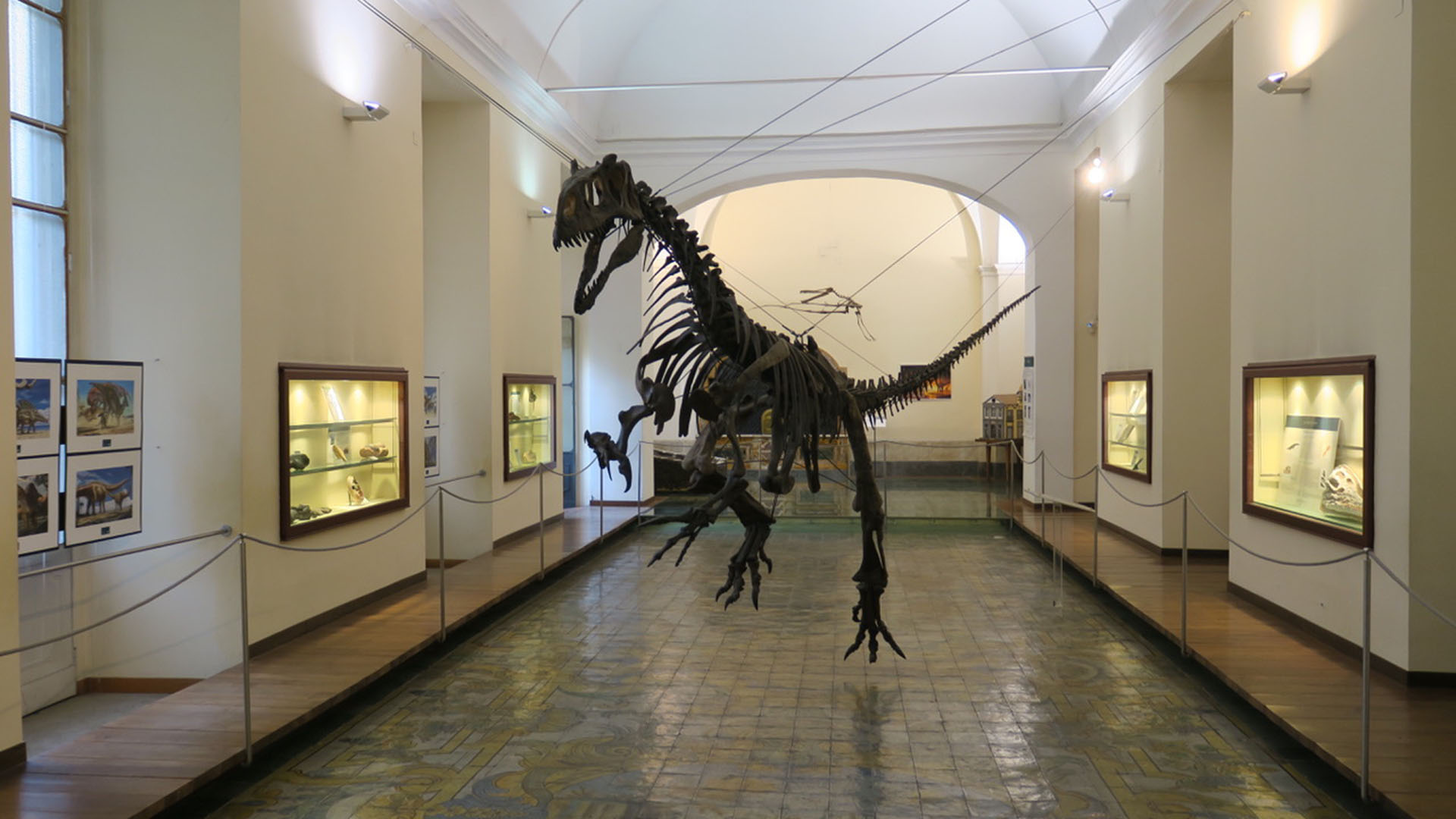
The Museum of Paleontology
The Museum of Paleontology at the University of Naples was founded in 1932, when paleontology separated from geology and inherited the ancient geo-paleontological collections of the Royal Mineralogical Museum and the Museum of Geology, formed in the 19th century. Its historic home is in the Santi Marcellino e Festo complex, with the majolica-tiled Chapter House as its exhibition center, flanked by rooms for invertebrates, ichthyofossils, and lithic artifacts. The first director was Geremia D’Erasmo, followed by Angiola Maria Maccagno and others, who enriched the collections with important vertebrate fossils, such as Metaxytherium medium.
Bombing in 1941 and the earthquake of 1980 destroyed part of the collections and rendered the Chapter House unusable. In the 1980s, the ‘Museum Fund’ and, in 1992, the Natural Science Museum Centre marked its rebirth. Between 1994 and the end of the 1990s, the museum was consolidated, restored, and rearranged, reopening to the public and enriched with a large Allosaurus fragilis, symbol of the “Dinosaur Room.”
Today, it houses general and special collections of extraordinary value, from Campanian ichthyolites to the Monticelli and Costa historical collections, to finds from Brazil, Lebanon, China, and the Czech Republic, as well as donations and over 40,000 thin rock sections. With multimedia exhibits, a new educational laboratory, and approximately 50,000 artifacts, it is a leading national study center that requires additional resources for cataloging, maintenance, and enhancement.
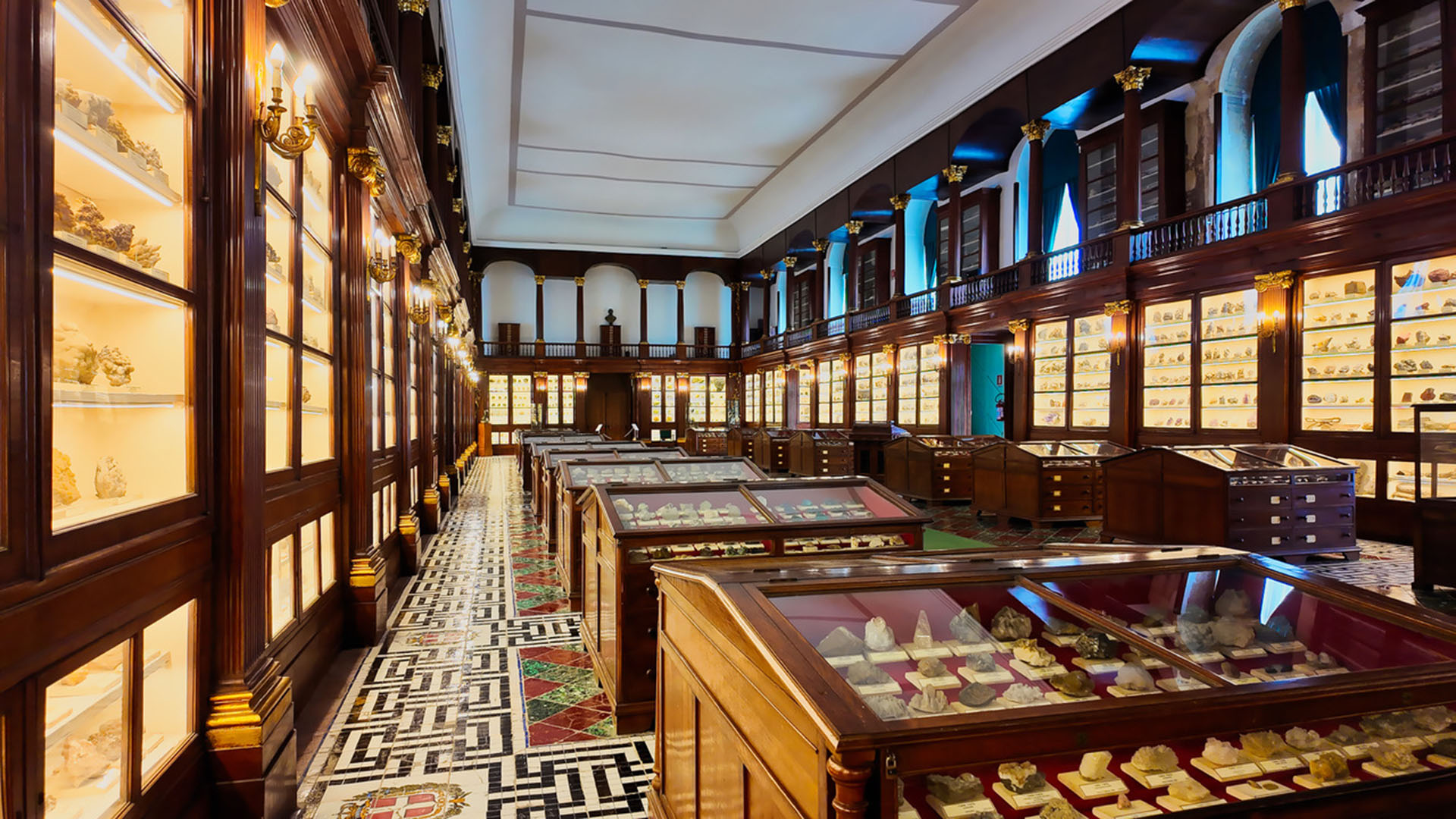
Royal Mineralogical Museum
Established in 1801 by Ferdinand IV of Bourbon in the hall that had been the Library of the Jesuit College, one of the most beautiful halls in the city, the Royal Mineralogical Museum houses over 46,000 exhibits built up over more than two centuries. Of these, approximately 11,000 are on display in an area of 1,168 square meters, telling the evolutionary history of Earth. The tour begins with two important regional collections: the Campania tuff collection and the Vesuvian collection, with rocks and minerals that bear witness to the evolution of our region’s landscape. It then moves on to the Monumental Hall, a place where history, science, and beauty come together to inspire wonder. Here, the large collection is on display, featuring beautiful minerals in vivid colors, some of which were collected between 1789 and 1797 by six young naturalists sent to Germany and Hungary to study mineralogy and metallurgy and to travel to many European countries to collect mineral samples to be exhibited in the new museum that was to be built in Naples. Over the years, numerous minerals of great beauty, rarity, or scientific interest from all over the world have been added. The tour continues among the large crystals collection, among which the pair of hyaline quartz crystals from Madagascar, weighing 482 kg, is particularly impressive. The collection of semi-precious stones welcomes visitors to the spectacular Ramondini Gallery, where the collection of historical scientific instruments used for the identification and characterization of minerals is on display, along with a collection of buildings and ornamental stones. The museum tour ends with an ideal transition from Earth to space, with a collection of meteorites, rocks of extraterrestrial origin that provide important information about the history of the solar system.
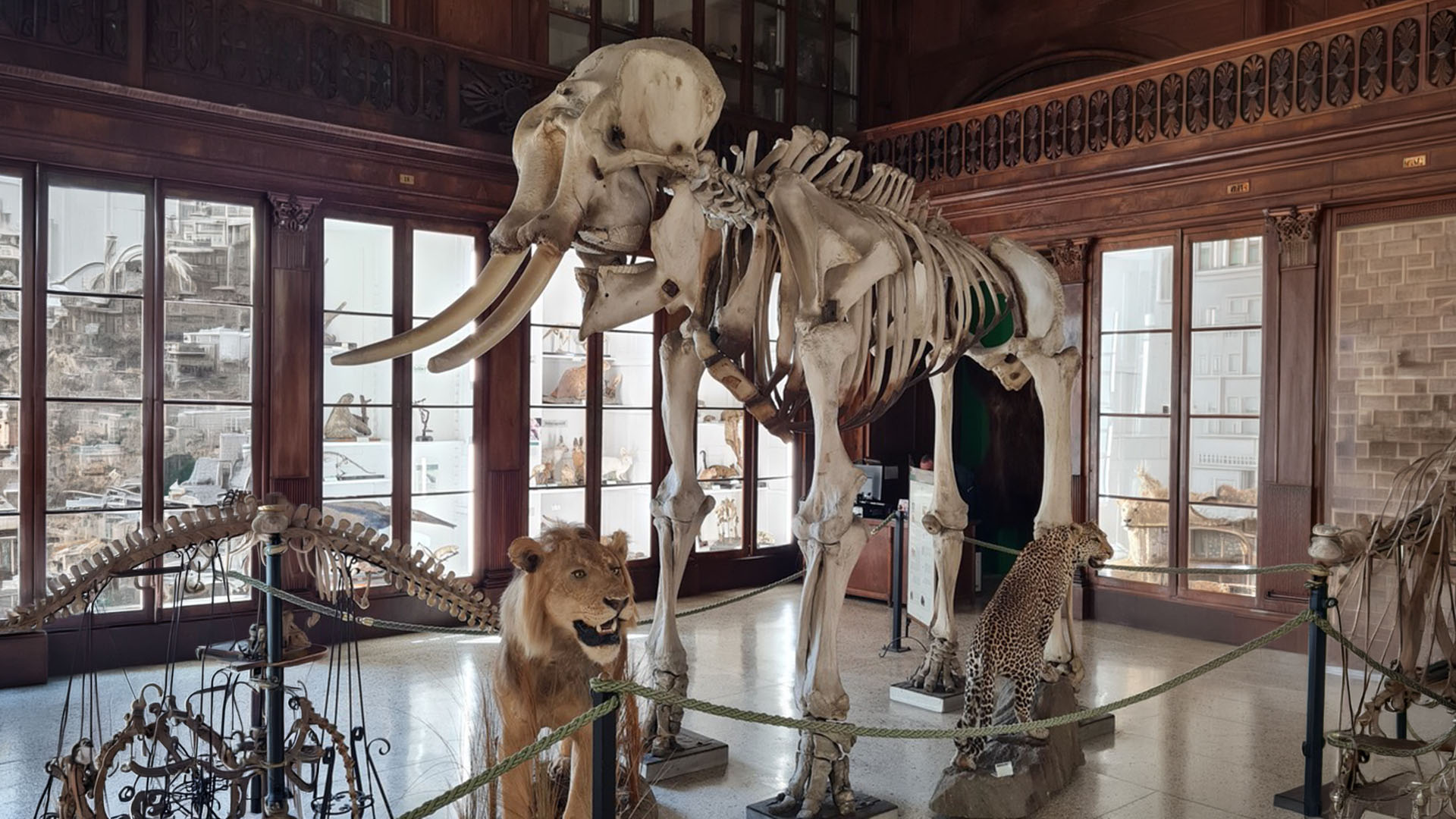
The Zoological Museum
The Zoological Museum of Naples was officially established by Joachim Murat, King of Naples, with a decree dated February 18, 1813, which transferred most of the Bourbon natural history collections, as well as various private collections, to the museum. Since then, zoologists and comparative anatomists have succeeded one another at the helm of the museum, enriching it with collections purchased from private individuals and specimens collected during natural history expeditions. The current museum building was constructed in 1845 at the behest of Giosuè Sangiovanni, Italy’s first professor of comparative anatomy. The layout of the Zoological Museum in the two large halls, as we see it today, with a dedicated exhibition area of 900 m2, was designed in 1901 by Francesco Saverio Monticelli. During the last world war, the museum suffered serious damage as a result of bombing, occupation, and vandalism, and many exhibits were destroyed or stolen. The restoration of what remained in the post-war period is thanks to Mario Salfi.
The museum is a collection built with patience and wisdom over a history spanning more than two hundred years, rich in specimens of great historical and scientific interest, such as the now extinct species of the Tailed Wallaby, the Norfolk Pigeon, and the Cape Lion. The magnificent early 19th-century furnishings provide a splendid setting of harmonious elegance and high historical and artistic value for exhibits that are unique in the world for the historical and scientific evidence they represent, such as the Taranto Whale, the Posillipo Seal, the Portici Elephant, and the Emperor Crab.
Neapolitan music concert by the “Cantori di Posillipo”– 23 June 2026 - 19:00
Corso Umberto I, 40 – Napoli
Included
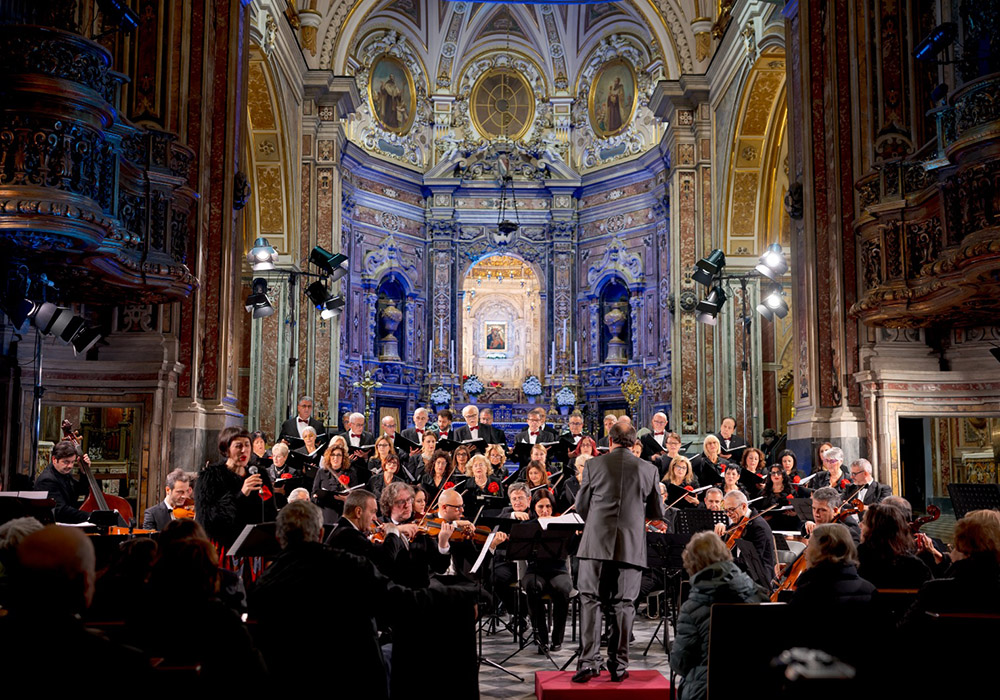
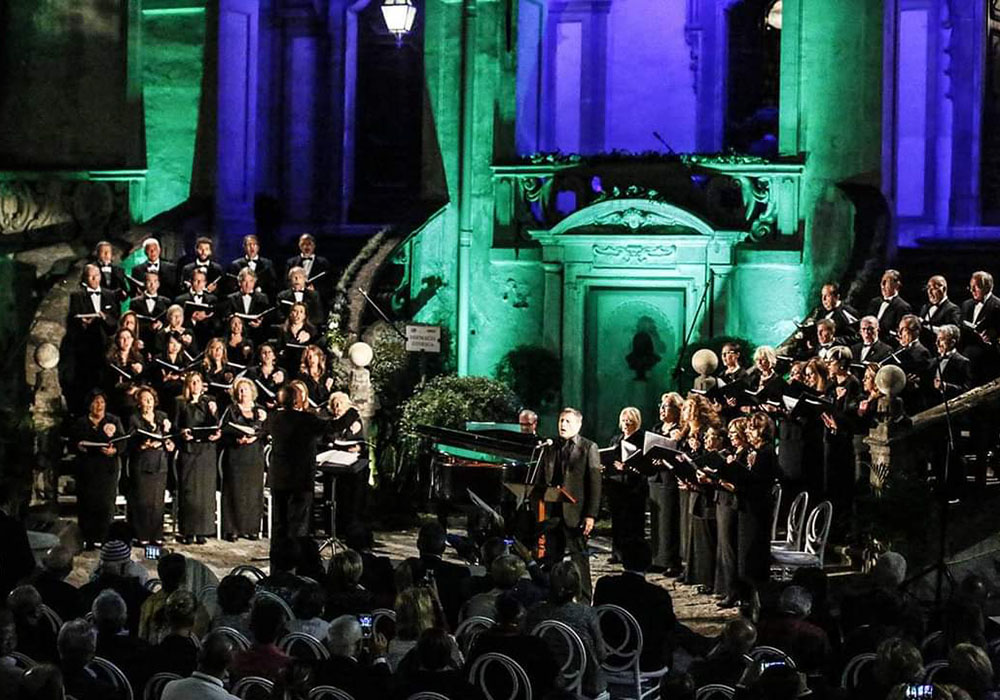
Founded and directed by Ciro Visco in 1978, I Cantori di Posillipo have long represented a point of reference in Neapolitan musical life. Their repertoire ranges from the Middle Ages to the contemporary age.
Since 1999, the Association has been officially recognized as a cultural institution of regional interest and in 2007 it was included in the Regional Register of Entertainment Organizations.
Under the passionate initiative of President Santina Montella Picone, I Cantori di Posillipo have performed about 500 concerts in Italy and abroad in prestigious venues and theaters such as the Quirinal Palace, the Cathedral of Brussels, the European Parliament Hall, the Italian Cultural Institute in Budapest, the San Carlo Theatre in Naples, the Opera House of Rome, the Teatro Lirico of Milan, and the Sistina Theatre in Rome.
I Cantori di Posillipo have performed in the presence of His Holiness Pope John Paul II, His Holiness Pope Francis and the Presidents of the Italian Republic Scalfaro, Ciampi and Napolitano, in addition to numerous other Italian and international authorities.
Since 2004, the choir has been conducted by Gaetano Raiola, who has developed for Solo, Choir and Piano a new anthology of “Classic Neapolitan Songs”, an anthology of “Salon Romances and Songs (1835 – 1976)”, and well-known works from the Christmas tradition.
Since 1999, the choir has performed the Christmas concert every December 25th at the Cathedral of Naples in the presence of the Cardinal and city and regional authorities.
Throughout its long history, I Cantori have consistently supported and promoted the artistic growth of young people. The most recent project for young people began on March 29, 2022, with a performance of Karl Jenkins’ Requiem by the Choir and Orchestra of I Cantori di Posillipo at the Basilica of Santa Maria del Carmine Maggiore. The concert featured six young musicians including Giovanbattista Cutolo, to whom a prize was dedicated following the tragic attack of which he was a victim.
Programme
Choir – ‘I Cantori di Posillipo’
Conductor – Gaetano Raiola
Narrator – Enzo Salomone
Piano – Francesco Pareti
LUNA NOVA
S. Di Giacomo – M . Costa
TE VOGLIO BENE ASSAJE
Sacco
ERA DE MAGGIO
S. Di Giacomo – M . Costa
REGINELLA
L. Bovio – G. Luma
NAPULE CA SE NE VA
F. Murolo – F. Tagliaferri
I’ TE VURRIA VASA
V. Russo – E. Di Capua
MARÌ MARÌ
V. Russo – E. Di Capua
SANTA LUCIA LUNTANA
E. A. Mario
‘E SPINGULE FRANGESE
S. Di Giacomo – E. De Leva
MANDULINATA A NAPULE
E. Murolo – E. Tagliaferri
VOCE ‘E NOTTE
E. Nicolardi – E. De Curtis
PASSIONE
L. Bovio – N. Valente – E. Tagliaferro
FUNICULÌ FUNICULÀ
L. Denza – G. Turco
TORNA A SURRIENTO
E. De Curtis – G. B. De Curtis
‘O PAESE D”O SOLE
L. Bovio – V. D’Annibale
LA DANZA
C. Pepoli – G. Rossini
Welcome Reception at San Marcellino – 23 June 2026 - 20:00
Corso Umberto I, 40 – Napoli
Included


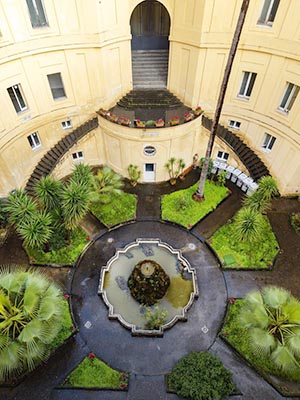
The welcome reception will be held at San Marcellino Church and its gardens, at the beautiful and historic location in the heart of Naples. The cultural vibes of the location and its authentic Neapolitan atmosphere would provide RSS participants with a unique experience that showcases the true essence of Naples.
The church dates to the 16th century and is known for its beautiful Baroque architecture and rich decorations. The area surrounding the church is immersed in nature. Being located in the city centre, San Marcellino is easily accessible for RSS participants, which can make logistics easier.
Historical City Centre Walking Tour – 24 June 2026 - Halfday tour 10:00/13:00
(Santa Chiara Cloister and Treasure of San Gennaro)
55 €
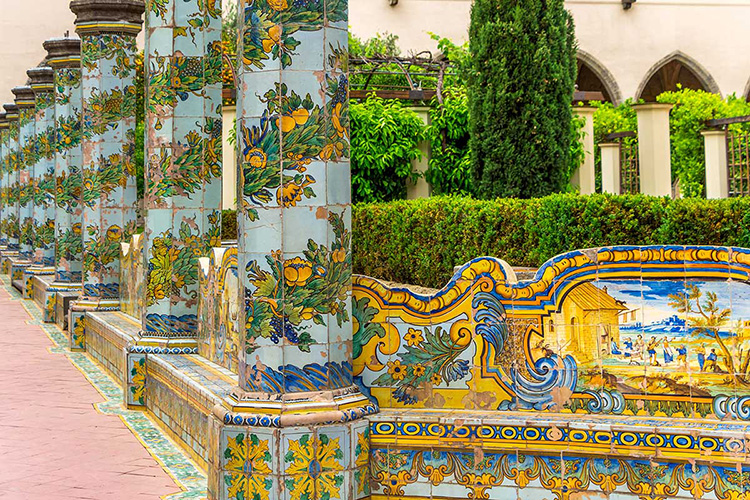
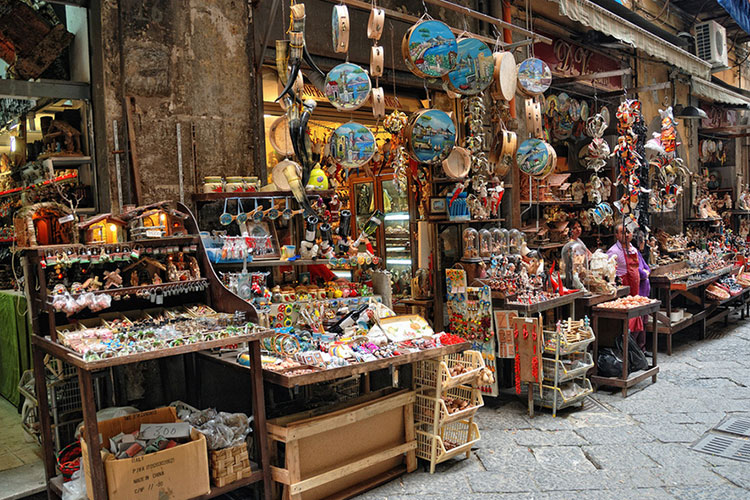
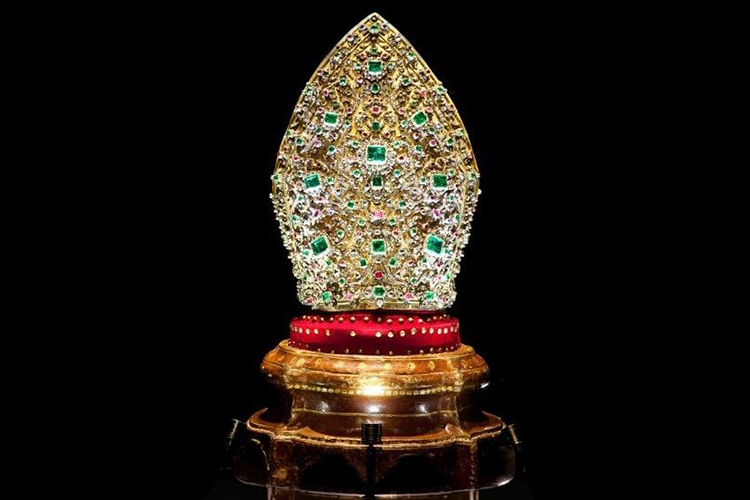
Discover the city and its wonders during a walking tour that shows you all about Naples’ past and present, through the many sovereigns and dynasties that ruled the city. During this guided tour, you will go through Spaccanapoli, the main street that crosses the old historic centre of the city; this area is chaotic, as well as vibrant, colourful, noisy, mysterious, and beautiful. In other words, it is the real essence of Naples.
During this tour, you will visit the Santa Chiara Monastery with its wonderful majolica Clarisse Cloisters. As you go on, you will walk through San Gregorio Armeno, the heart of traditional artisan workshops and famous Christmas handcraft. This visit continues at the Museum of the Treasure of San Gennaro, which represents the uniqueness of the history that binds the city of Naples to its Patron Saint. The word “Treasure”, in sacred art, indicates the Chapel of the Relics, but in Naples the Treasure of San Gennaro also houses a priceless heritage of devotional objects made of gold, silver, bronze and precious stones. Over the centuries these riches have been donated to San Gennaro by Neapolitan and foreign kings, by Popes, and by the people.
Among the most notable pieces is the famous vial of San Gennaro’s blood, which is believed to liquefy on certain days of the year. This phenomenon draws both reverence and curiosity.
This tour is a perfectly preserved historical testimony of how the city has grown and evolved, a continuous mixture of ancient and modern.
Gala Dinner at Nabilah – 24 June 2026 - 19:00
Included

Excursion to the Archaeological Museum of Naples – 25 June 2026 - halfday Tour 10:00/13:00
55 €
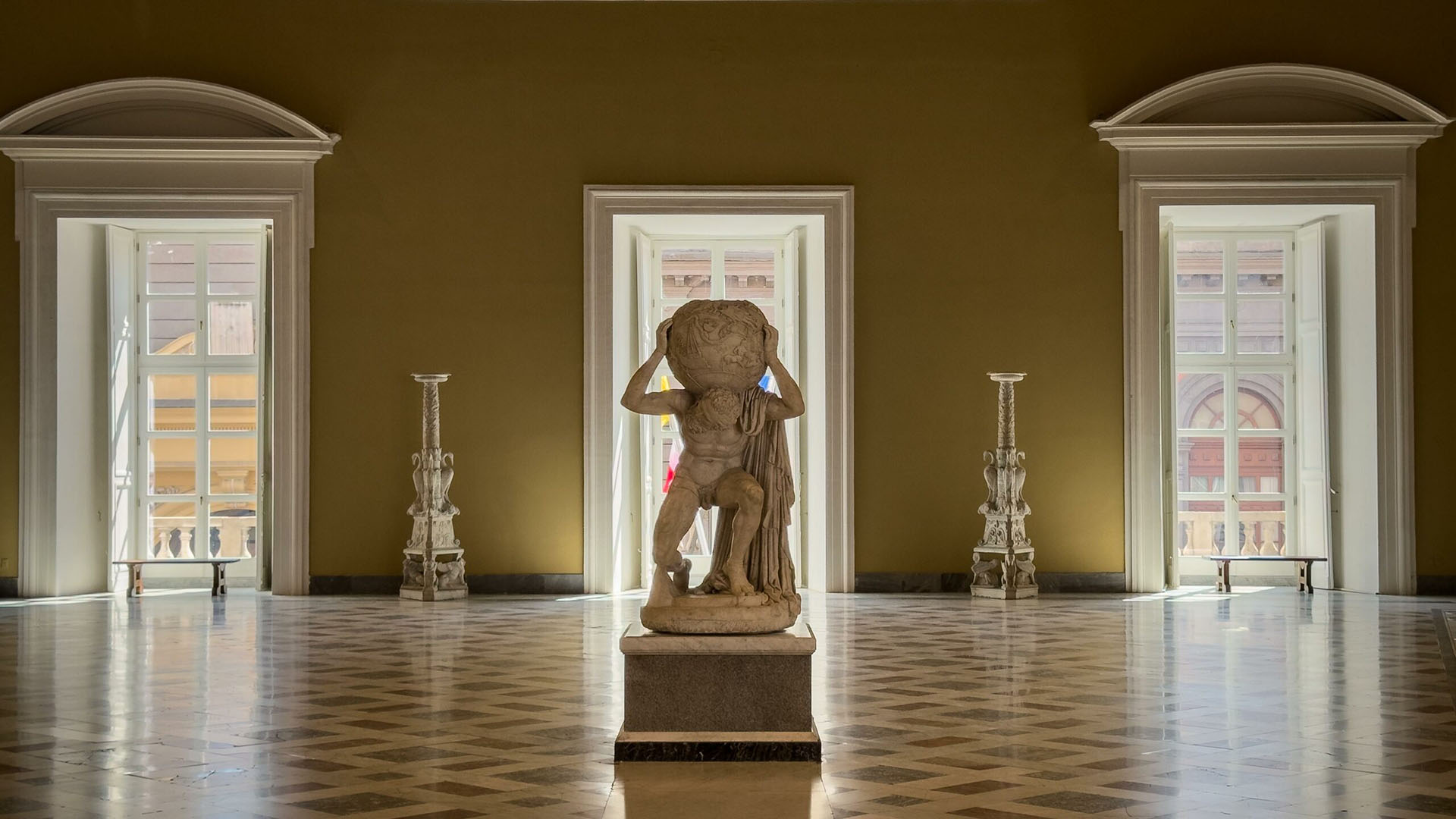
The National Archaeological Museum of Naples (MANN) is one of the most important archaeological museums in the world, housing an exceptional collection of ancient Roman, Greek, and Egyptian artifacts.
Located in the heart of Naples, the museum’s collection includes sculptures, frescoes, mosaics, everyday objects, and luxury items, offering a detailed glimpse into the daily life of the ancient Romans and Greeks. Some of its most famous exhibits include the Alexander Mosaic, a stunning depiction of the Battle of Issus, and the collection of erotic art from Pompeii, which is housed in a separate room.
In addition to Roman and Greek artifacts, the museum also features a significant Egyptian collection, including mummies and statues. The museum is a key institution for understanding the cultural and historical heritage of ancient civilizations and today it remains a major attraction for tourists from around the world.
Pizza tasting – 25 June 2026 - 20:00
Included
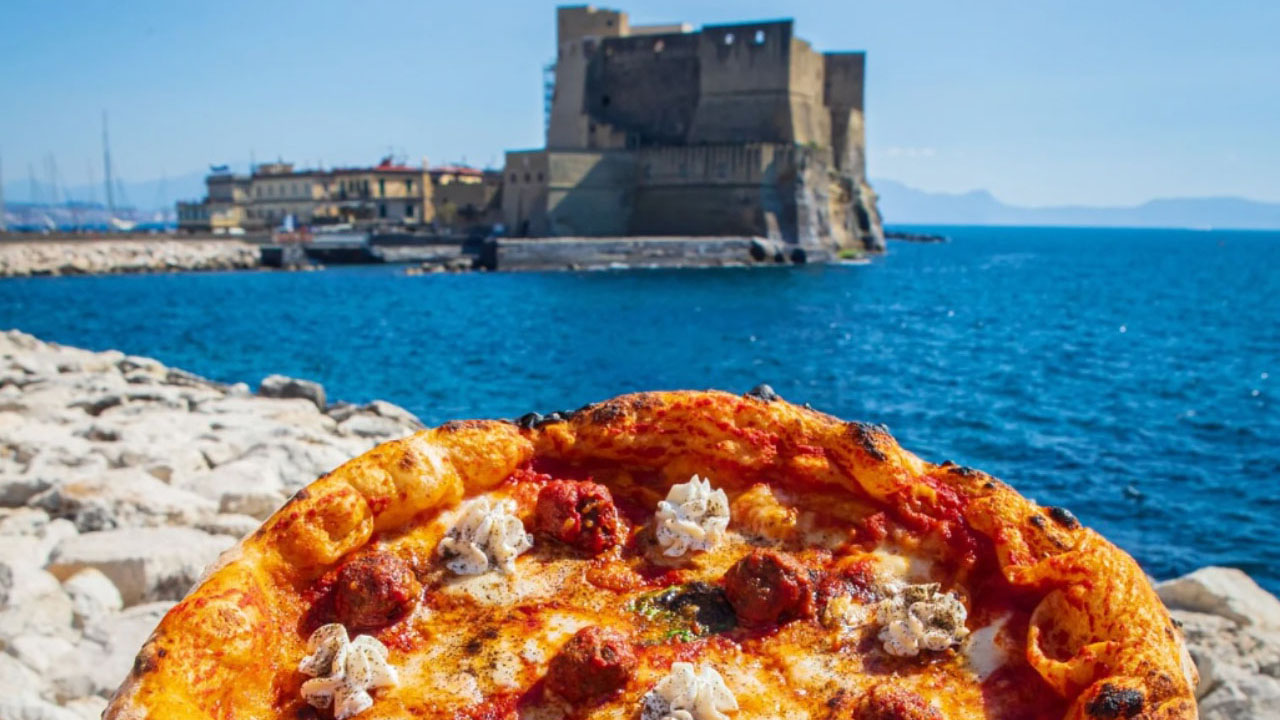
At the end of the tour, a pizza dinner along the beautiful Naples waterfront. Guests will have the opportunity to enjoy a delicious selection of pizzas while taking in the stunning views of the sea and the city, creating a perfect combination of great food and breathtaking atmosphere
Excursion to the Royal Palace of Caserta – 26 June 2026 - Half day tour - 9:00/13:00
75 € – Departure at 09:00 from the Meeting Venue – University of Naples Federico II – Piazzale Tecchio
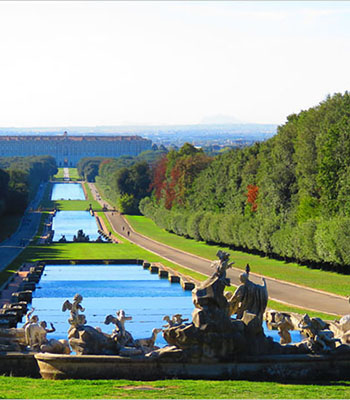
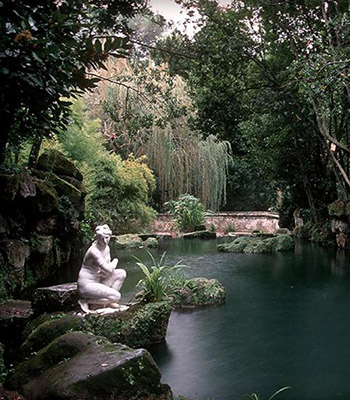
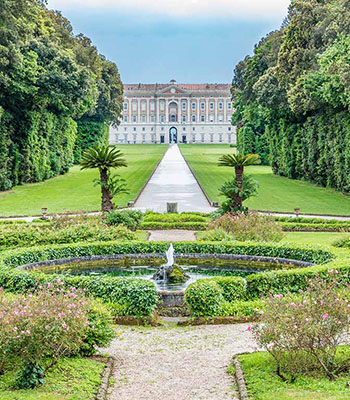
Visit the Royal Palace and its wonderful park. Caserta Royal Palace was commissioned by Charles III of Bourbon, who decided to build the Versailles of his kingdom in this fertile region.
This architectural masterpiece was designed by Luigi Vanvitelli. It was one of the largest buildings erected in Europe during the 18th century. It covers 1200 rooms connected by 34 staircases and illuminated by 1.970 windows. The magnificent garden inspired by the park of Versailles, starts from the back façade of the palace, flanking a long alley with artificial fountains and cascades.
You can also visit a botanical garden, called “The English Garden”.
Pompeii excavation guided tour – 27 June 2026 - Halfday tour - 9:00/13:00
75 € – Departure at 09:00 from the Meeting Venue – University of Naples Federico II – Piazzale Tecchio
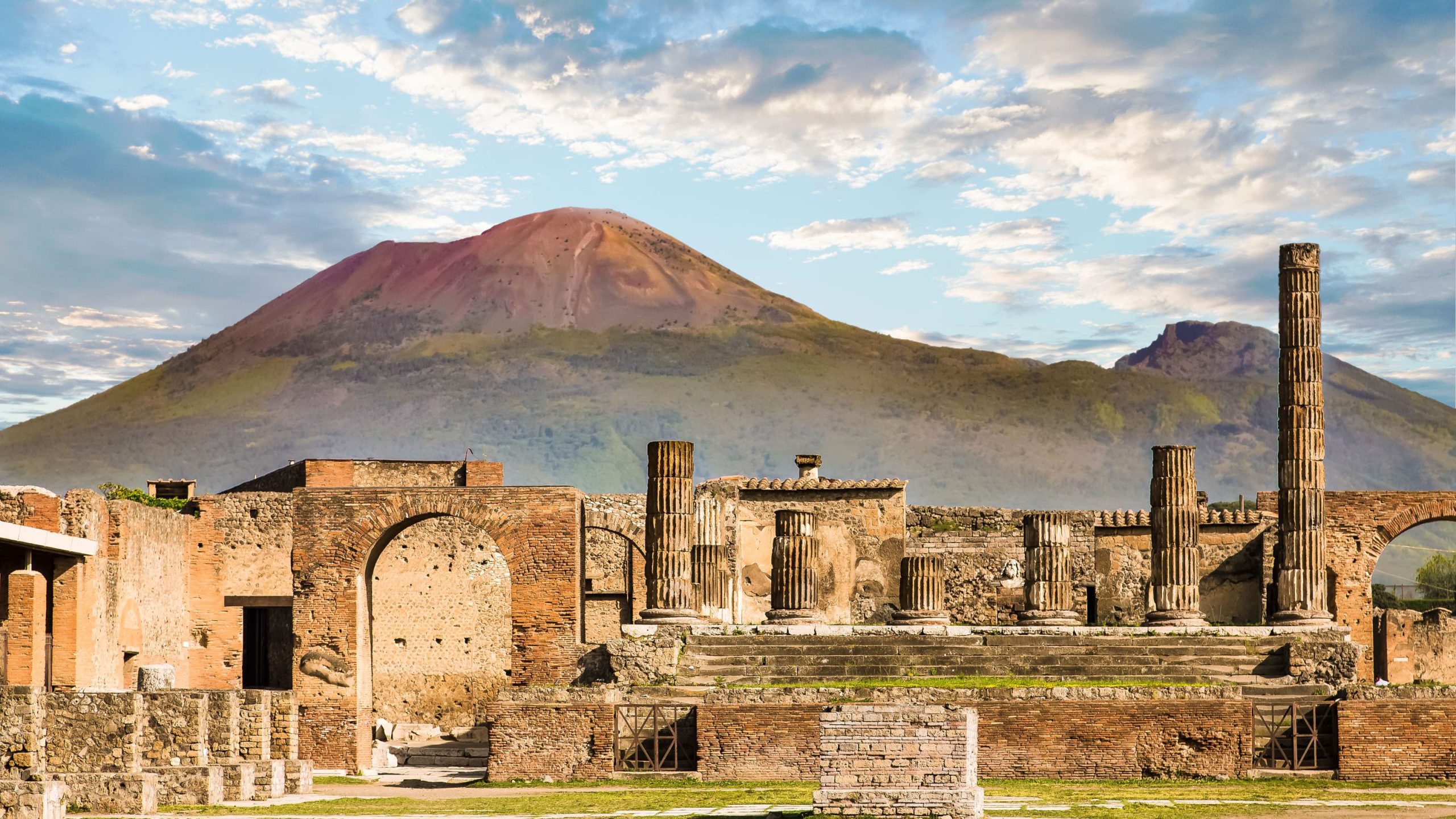
On Saturday 27th, the visit to the lost city of Pompeii is scheduled for those who want to spend extra time in Naples and discover as much as possible about the ancient city buried by the eruption of Mount Vesuvius in 79 AD. The archeological site of Pompeii is among the UNESCO-listed sites and spans about 163 acres (66 hectares) and housed 20,000 to 25,000 people, featuring a complex grid of streets and buildings. The ash and pumice preserve the remains of brilliant frescoes, opulent villas and baths, grand theaters, and even the bone-chilling casts of Pompeiians who died that fateful day.
Rediscovered in 1748 during canal excavation work, Pompeii is a wonderful example that displays ancient Roman architecture where it portrays what life was like in ancient Rome and how their buildings and communities were seen from a structural lookout.